
The Role of a Roof Truss in a Property's Structure
Structural integrity is fundamental to the safety and longevity of buildings. Many elements contribute to a building's robustness and stability, yet framing elements stand out as pivotal components. A high-quality roof truss provides critical support, ensuring not only the roof system’s stability but also the overall balance of a property’s structure. As the building industry evolves, understanding the role of these frameworks becomes increasingly significant, given their widespread use. Thus, this article delves into the importance of these systems, exploring their functionality, impact, and implications on modern property structures.
Understanding the Framework
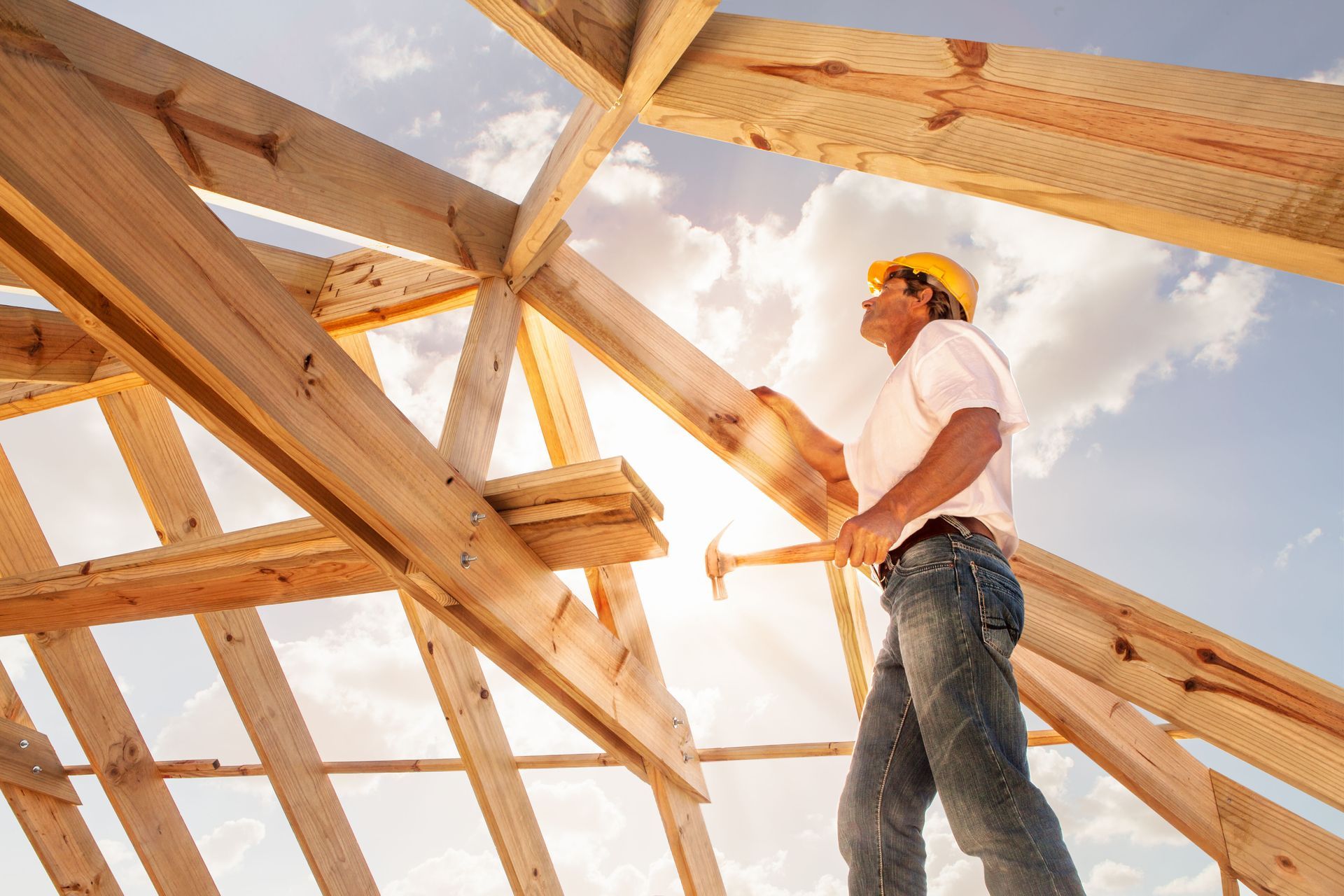
A roof truss is a prefabricated structural framework designed to bridge the space above a room and provide support for the roof. Typically, they consist of interconnected triangles constructed from wood or metal, a design that inherently provides stability and strength. The primary role of these systems is to efficiently distribute the weight of the roof and any additional loads across the building’s exterior walls. This distribution lessens pressure on the walls themselves and aids in preserving the structural integrity of the property. The universality and uniform design of these frameworks make them an indispensable part of modern construction.
Several key design considerations are integral to the effective utilization of these systems in a building project. Load requirements must be precisely calculated, taking into account the weight of the roof materials, potential snow accumulation, and even future alterations or additions. Architectural factors, like the desired ceiling height and slope, must also be factored into the overall engineering layout. Accommodating HVAC systems or creating space for insulation may influence whether larger setups or alternate configurations are necessary. Designers must meticulously balance these elements, as an oversight could compromise the structural performance. As such, careful planning and skilled engineering are pivotal in implementation.
Acknowledging Structural Impact and Load Management
The fundamental strength of these systems lies in their ability to distribute loads evenly across a building's walls. By transferring the weight from the roof to the outer walls, they help to prevent undue stress and potential warping that could damage the integrity of the structure. The triangle configuration inherent to the design provides exceptional stability, which is crucial for maintaining the building's equilibrium. This distribution method enables larger, more open interior spaces without the need for numerous load-bearing walls. According to SBC Magazine, manufactured components accounted for 63.8% of all roof framing in the construction industry, highlighting their superior load management capabilities and widespread acceptance.
A properly designed roof truss offers robust resistance to various environmental stresses, playing a vital role in a building's ability to withstand harsh conditions. High winds, heavy snow loads, and seismic activity can exert significant stress on a building structure. Through their engineered form and material selection, these systems provide a level of resilience that enhances safety during such events. Modern engineering carefully considers regional climate conditions to ensure that structures can endure expected environmental strains. Thus, choosing the appropriate type of framing for specific environmental challenges is crucial in mitigating potential risks.
Engineering Aspects of Design
The engineering of these components involves analytical models and methods to ensure the integrity and efficiency of the final design. Structural engineers utilize advanced computational tools to predict and assess the behavior of these systems under various loads. Computer-aided design (CAD) software, along with finite element analysis, allows for the modeling of a robust layout tailored to specific structural needs. These tools account for factors such as material properties, geometrical layouts, and imposed loads to optimize the framing configuration.
Analyzing and calculating loads is paramount in designing a framework capable of withstanding the demands placed upon it. Engineers determine the dead, live, environmental, and potential accidental loads that a roof system must support. Incorporating safety factors into calculations represents a crucial step, providing a margin of safety beyond expected loads for unforeseen conditions. Ultimately, the rigorous assessment of load requirements ensures that safety remains paramount in the planning process.
Considering Economics
A prefabricated roof truss offers economic advantages over traditional roof framing methods through lower material costs and faster installation times. Prefabrication in controlled environments reduces waste and labor costs on-site, translating to financial savings. The ability to span larger areas without additional support allows for design efficiency and reduces the need for costly interior load-bearing walls. The overall savings in material and labor costs make a manufactured system a highly competitive choice for builders and developers.
The integration of a high-quality framing system can significantly enhance a property's value by contributing to design elements and structural integrity. Features like vaulted ceilings and open-plan layouts, enabled by specialized engineering, appeal to modern buyers and increase market attractiveness. Additionally, the inherent energy efficiency and low maintenance associated with a well-constructed layout further enhance value perception and yield a higher resale value.
Investing in premium framing often presents a beneficial trade-off between upfront costs and long-term savings. While premium materials or advanced designs may incur higher initial expenses, these investments typically translate into longevity and reduced maintenance costs. Achieving a balance between cost and quality requires careful evaluation of the specific needs and projected lifecycle of the property. Wise investment in a quality system can thus provide financial benefits well beyond the initial associated costs.
Tracking Environmental Implications
The sustainability of materials used in framing construction plays a significant role in their environmental impact. Renewable materials like sustainably sourced timber support eco-friendly construction practices while reducing the carbon footprint. In comparison, steel options offer durability that can prolong a building's lifespan and minimize resource consumption. The choice of materials directly influences factors such as emissions, resource use, and waste.
A well-engineered system contributes to a building's energy efficiency through optimized design and effective integration with insulation. Proper selection and installation allow for ideal thermal efficiency by minimizing heat transfer and energy waste. A roof structure utilizing a precise engineering layout can significantly lower heating and cooling costs, making buildings more affordable to maintain and improving indoor air quality.
The way a building's framing is constructed, and the materials used, can significantly affect a building’s carbon footprint. Utilizing eco-friendly materials and automated prefabrication techniques reduces emissions and supports sustainable development goals. A prefabricated roof truss also contributes to a smaller carbon footprint by minimizing on-site waste and optimizing material used during the manufacturing phase.
Showcasing Applications Across Different Sectors
Residential: Residential applications of a modern framework showcase design versatility and construction efficiency. They support architectural features like open floor spaces and high ceilings, which are highly desirable in contemporary home designs. Due to their predictable and uniform strength, utilizing a prefabricated roof truss benefits fast construction timelines and reduces waste, aligning perfectly with green building initiatives.
Commercial: Frameworks used in commercial buildings demonstrate the balance between structural demands and architectural flexibility. For large facilities, such as shopping malls or offices, these components provide the structural backbone to accommodate expansive, unobstructed spaces. Commercial projects frequently utilize steel setups to support complex ceilings and accommodate integrated mechanical systems.
Industrial and Agricultural: The use of specialized framing in agricultural and industrial settings emphasizes strength and durability under demanding operational conditions. Agricultural facilities, like barns and greenhouses, benefit from the robust support and weather resistance that these systems offer. Industrial buildings, like warehouses, often use specialized configurations to maintain clear-span spaces without utilizing central supporting columns.
When you are ready to ensure the highest level of structural integrity and precision engineering for your next building project, partner with the experts who understand quality framing inside and out. Contact Dogtown Truss & Components today to get a quote on the perfect roof truss system tailored specifically to your project's unique specifications.
Share On: